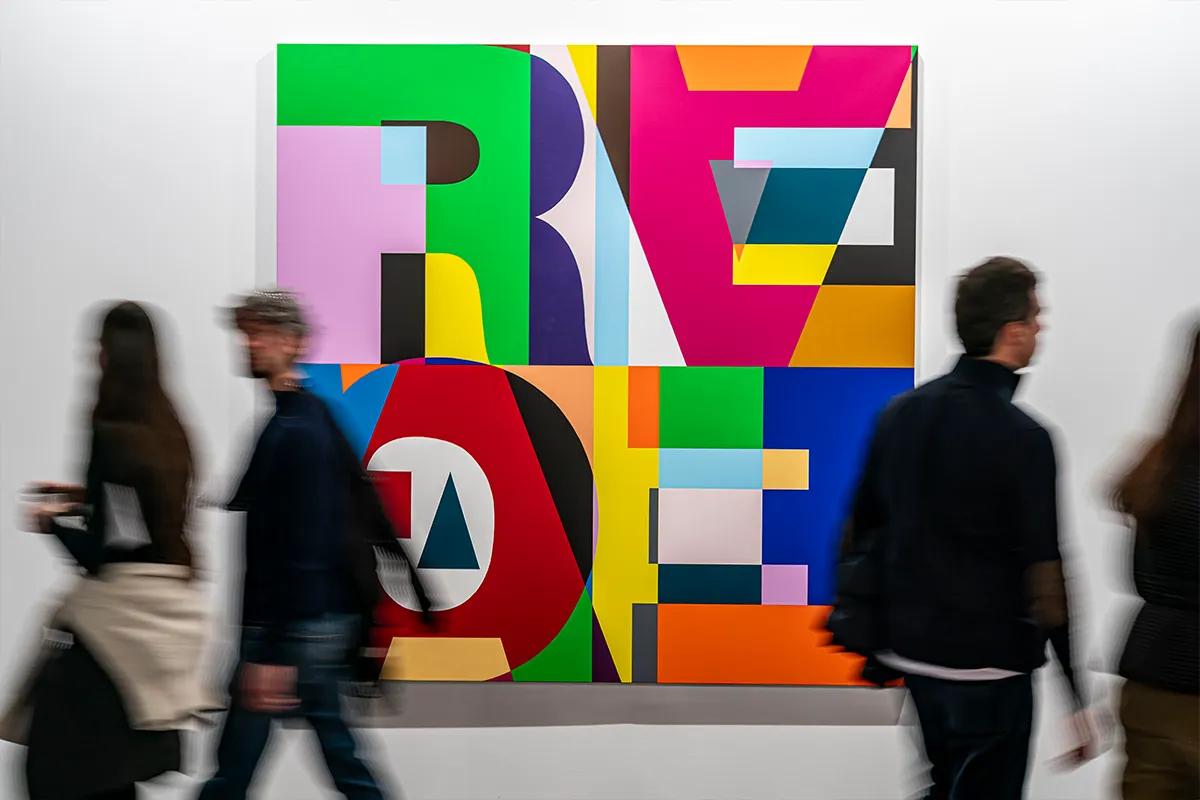
Spain’s contemporary art scene occupies a distinctive position in the global market: serious enough to anchor one of Europe’s five most significant art fairs, intimate enough that meaningful relationships with gallerists still matter more than auction-house bidding wars, and priced, for now, well below London, Paris, or New York for comparable quality. For foreign collectors and investors building a presence in Spain, whether as a complement to a relocation, a diversification strategy, or a genuine passion project, understanding the country’s gallery hierarchy, its calendar of fairs, and the practical mechanics of buying and holding art here is the foundation for collecting seriously rather than simply shopping. This guide maps the territory.
ARCOmadrid: The Anchor of the Spanish Art Calendar
Any conversation about contemporary art in Spain begins with ARCOmadrid, the International Contemporary Art Fair founded in 1982 by gallerist Juana de Aizpuru, today recognized among the world’s five most significant art fairs. The 2026 edition (its 45th, held 4–8 March at IFEMA Madrid) brought together 211 galleries from 30 countries, more than 1,300 artists, and drew roughly 95,000 visitors alongside around 40,000 trade professionals, generating an estimated €195 million economic impact for the city.
ARCO’s distinctive market position is its bridge between Europe and Latin America: international participation reaches roughly two-thirds of exhibiting galleries, with Latin American galleries representing a particularly strong share, drawing specifically from Brazil and Argentina alongside broader regional participation. This positioning is not incidental marketing; it reflects ARCO’s genuine, decades-long role introducing Latin American artists to the European market, a specialization that remains rarer among Europe’s other major fairs.
The VIP structure matters enormously for serious collectors. The fair’s first days are reserved exclusively for accredited collectors, curators, and trade professionals before opening to the general public later in the week. VIP access (commonly priced in the $110–$150 range for the full lounge and private-tour experience) includes morning preview hours, private gallery tours, and access to a curated programme of collector dinners and salons, with traditions including private dinners at landmark Madrid restaurants and private tours of the Prado. For a foreign collector serious about acquiring quality work before public-day demand drives interest, securing this accreditation in advance, professional registration typically closes a month or more ahead of the fair, is the single most important logistical step.
Institutional buying shapes the market in ways foreign collectors should understand. A significant share of ARCO’s confirmed acquisitions come from Spanish public institutions, museums and regional governments purchasing from pre-approved annual budgets rather than spontaneous decisions, which is why acquired work skews heavily toward Spanish and Latin American artists. Recent editions saw substantial confirmed purchases by the Museo Reina Sofía, regional governments including Andalusia, and city councils including Madrid, each committing meaningful five- and six-figure sums to specific works. For a foreign investor evaluating market depth and resale liquidity, this institutional buying pattern is a genuine signal: works by artists with active institutional interest carry a different risk profile than work without that validation.
Private collector activity, by contrast, remains genuinely middle-market and personally driven. ARCO’s core private collector base operates predominantly in the range of a few thousand to several tens of thousands of euros, with a noted threshold around €60,000 above which decisions visibly slow and require more deliberation; works under roughly €15,000 tend to move quickly on instinct. This is a meaningfully different dynamic from the headline-driven, trophy-asset bidding seen at the very top of Art Basel or Frieze, and it means ARCO rewards collectors genuinely engaging with the work and the gallery relationship over those simply chasing the most talked-about name.
Beyond ARCO: The Wider Madrid Art Week Ecosystem
ARCO does not stand alone; it anchors a broader citywide event, Madrid Art Week, during which the entire city functions as an extended exhibition space, with open studios, gallery openings, and street art events concentrated particularly in the Malasaña and Lavapiés neighbourhoods.
JUSTMAD, now in its 17th edition, runs concurrently with ARCO at the Palacio de Neptuno and explicitly positions itself as a discovery fair for emerging galleries and artists, deliberately distinct from ARCO’s larger, more institutionally weighted programme. For collectors specifically interested in earlier-career artists and genuinely accessible price points, often a fraction of ARCO’s middle-market range, JUSTMAD offers a complementary, lower-pressure entry point into the same week’s energy. Notably, holders of an ARCO VIP card receive free access to JUSTMAD, making it efficient to cover both fairs during a single Madrid visit.
Madrid’s Established Gallery District
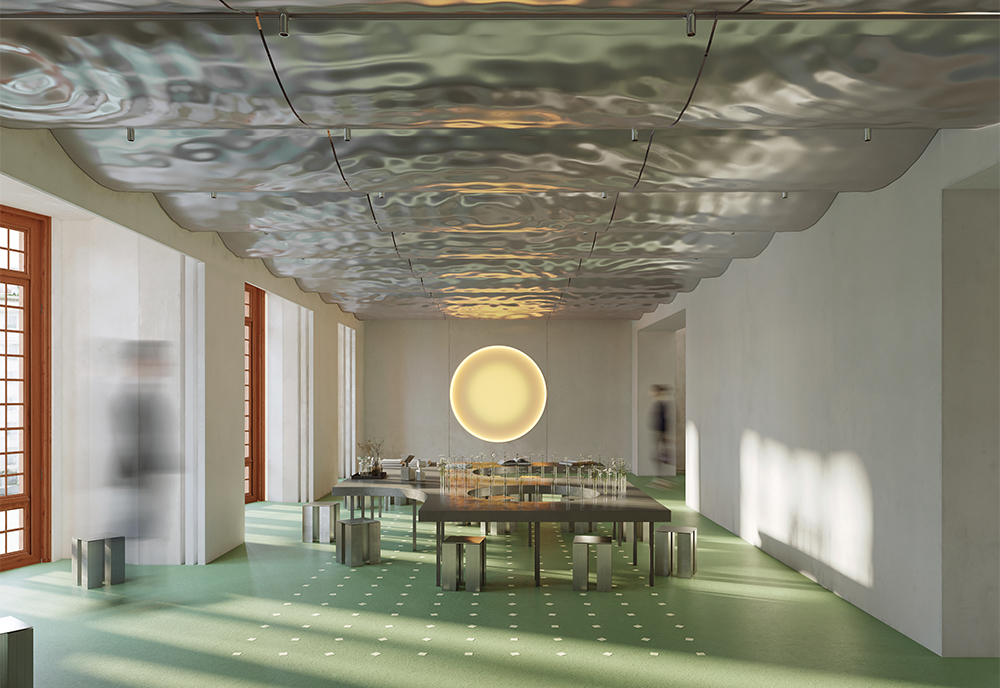
Beyond the fair calendar, Madrid’s permanent gallery ecosystem is where serious, ongoing collector relationships are actually built. The galleries that consistently anchor ARCO’s General Programme, names including Elvira González, Elba Benítez, Leandro Navarro, Travesía Cuatro, and Prats Nogueras Blanchard, maintain permanent spaces in the city year-round, and these are where genuine, ongoing relationships with gallerists, the kind that produce access to a sought-after artist’s next body of work before it reaches a fair floor, are actually cultivated.
For foreign collectors specifically, building this kind of relationship is worth the investment of time beyond a single fair visit. Spanish and Madrid-based galleries representing artists with growing institutional recognition, evidenced by acquisitions at the Reina Sofía, regional museum collections, or inclusion in ARCO’s curated sections, offer a genuinely different risk and opportunity profile than purchasing speculatively from an unfamiliar booth during a single fair week.
Barcelona’s Distinct Character
While Madrid anchors the fair calendar, Barcelona maintains its own distinct gallery scene with a different character: historically more closely tied to design, architecture, and a Mediterranean visual sensibility, reflecting the city’s broader cultural identity. Barcelona galleries and its own programming calendar offer a genuinely complementary, rather than competing, perspective for collectors building a Spain-wide view of the contemporary scene, particularly for those whose collecting interests lean toward design-adjacent or more conceptually rooted Mediterranean practice.
The Practical Mechanics of Buying and Holding Art in Spain
For foreign investors, the legal and tax mechanics of acquiring and holding contemporary art in Spain carry several specific considerations beyond simply negotiating a purchase price with a gallery.
Import and customs treatment. Original artwork and antiques generally benefit from exemption from EU customs duty on import, though import VAT (21%) applies to most acquisitions unless a specific relief applies, such as personal-effects relief for genuinely relocating collectors transferring an existing collection they have owned for a meaningful period.
Cultural heritage protections for older or historically significant works. Works recognized as cultural goods of significant age or historical importance face additional export and import licensing requirements, and pieces formally registered as a Bien de Interés Cultural (Asset of Cultural Interest) can, under specific conditions, qualify for a meaningful tax deduction for owners who commit to retaining the work for a defined holding period, a consideration relevant for collectors of historically significant rather than purely contemporary pieces.
VAT treatment when buying directly from galleries versus at auction can differ, and structuring larger acquisitions (particularly six-figure-plus purchases) through the right legal and tax framework, especially for collectors who are also Spanish tax residents subject to wealth tax considerations, benefits genuinely from advance professional guidance rather than treating each purchase as an isolated transaction.
Provenance and authentication documentation should be treated as non-negotiable for any meaningful acquisition, both for resale value and for the practical reality that Spanish and EU customs and cultural heritage authorities expect clear documentation when significant works move across borders.
Why Spain Remains Comparatively Attractive for Collectors
Several structural factors continue to make Spain a genuinely attractive base for serious contemporary art collecting relative to the more saturated markets in London, Paris, or New York.
Price levels remain meaningfully lower for comparable quality work, particularly for emerging and mid-career artists with growing institutional recognition but not yet the secondary-market track record that drives prices at the very top of the market in larger hubs.
Spain’s specific strength as a gateway to Latin American contemporary art gives foreign collectors, particularly those without existing relationships in Latin America itself, a genuinely differentiated entry point into a region whose contemporary art market has grown substantially in international relevance, accessible through Madrid’s established galleries and ARCO’s deep curatorial focus on the region.
The country’s broader macroeconomic positioning during periods of European instability has historically functioned as a relative point of stability, a factor that art market observers note tends to support sustained high-net-worth interest in art as an asset class during periods when other markets face greater volatility.
Practical Guidance for Foreign Collectors Entering the Market
Attend ARCO with VIP accreditation at least once before committing seriously, treating the first visit primarily as market education and relationship-building rather than acquisition. Understanding genuine price levels and gallery positioning takes direct exposure that secondary research cannot fully replace.
Build relationships with two or three Madrid galleries whose programme genuinely resonates with your collecting interest, rather than attempting comprehensive coverage of the entire fair in a single visit. The depth of an ongoing gallery relationship, including early access to an artist’s next body of work, is where serious collecting value is actually built over time.
Engage a Spanish art law specialist or tax adviser before any significant acquisition, particularly for cross-border transport, cultural heritage classification questions, or purchases that will sit within a broader wealth structuring plan involving Spanish residency.
Track institutional acquisition activity at major Spanish museums and regional collections as a genuine signal of which artists are gaining the kind of validated market depth that supports long-term value, rather than relying solely on fair-week buzz or gallery sales pitches.
Consider JUSTMAD and Madrid’s broader gallery district alongside ARCO itself, since meaningful, accessibly priced opportunities, particularly for collectors building a genuinely long-term relationship with Spanish contemporary art rather than seeking a single trophy acquisition, often live outside ARCO’s most heavily trafficked and discussed booths. For collectors specifically interested in how Spain’s broader luxury lifestyle infrastructure intersects with cultural collecting, our guide to exclusive private business clubs and golf courses in Spain covers several venues where Madrid’s collecting and business communities regularly overlap.
The Bottom Line
Spain’s contemporary art ecosystem offers foreign collectors a genuinely distinctive combination: a world-class anchor fair with deep institutional credibility, a uniquely strong gateway position into Latin American contemporary art, comparatively accessible price levels, and a permanent gallery infrastructure in Madrid and Barcelona that rewards genuine, ongoing engagement over transactional speculation. For investors and collectors willing to invest the time in building real relationships within this market, rather than treating a single fair visit as the entirety of their Spanish collecting strategy, Spain offers meaningful opportunity at a stage in its market development that several of Europe’s larger, more saturated hubs passed through years ago.
This article is for general informational purposes only and does not constitute investment, legal, or tax advice. Art market valuations, import regulations, and cultural heritage classifications change and are highly fact-specific. Before making significant art acquisitions in Spain, consult a qualified art law specialist and tax adviser to assess your specific situation.
Leave a Reply