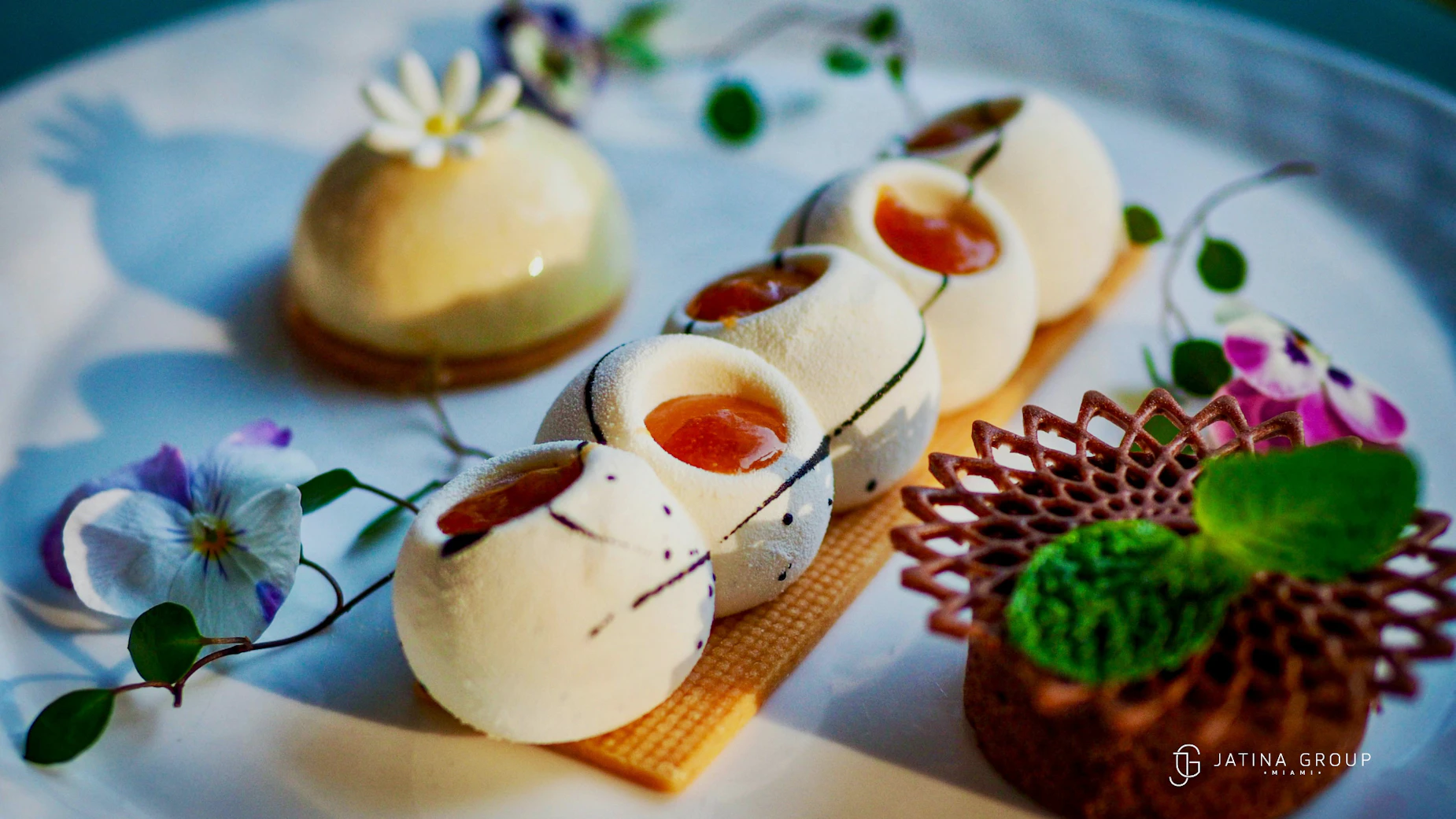
The villa has the infinity pool, the wine cellar, and the sweeping terrace built for entertaining, yet too many evenings end the same way: a frustrating drive to a fully booked restaurant, or worse, settling for whatever the villa’s basic kitchen equipment allows. The most sophisticated alternative, and one that has matured significantly as a genuinely accessible luxury rather than a celebrity-only indulgence, is bringing a private chef directly to your property. In 2026, Spain’s private chef market spans everything from a single, beautifully executed dinner for two to a Michelin-trained chef managing an entire week of meals for a large group, and understanding how this market actually works, on price, logistics, and what separates a genuinely memorable evening from an overpriced disappointment, makes all the difference.
What “Michelin-Trained” Actually Means in This Context
Before booking, it is worth understanding precisely what credentials are being marketed, since the private chef industry uses “Michelin” language loosely and not always with full transparency. Very few private chefs working the villa circuit currently hold a Michelin star themselves; the more accurate and common credential is a chef who trained or worked within a Michelin-starred restaurant’s kitchen earlier in their career, sometimes years prior, before moving into private dining, catering, or hospitality work. This is a genuinely meaningful credential, since it reflects rigorous technical training, exposure to fine-dining standards, and discipline around presentation and timing, but it is a different claim from currently holding a star, and reputable chefs and booking platforms are generally specific about which restaurants and roles a chef’s background actually includes. When evaluating a chef, ask directly which specific Michelin-starred establishments they trained or worked in, and treat vague claims of “Michelin experience” without named restaurants and roles with appropriate skepticism.
How the Booking Process Actually Works
Most villa private chef experiences in Spain today are arranged through specialized platforms or agencies that connect clients directly with vetted chefs, rather than through informal word-of-mouth arrangements alone. The general process follows a consistent pattern across providers: you share your event details, including guest count, dietary preferences and restrictions, budget range, and desired culinary style; the platform matches you with chefs whose profile, cuisine specialty, and pricing fit your brief; you then communicate directly with the proposed chef, by call, video, or message, to refine the specific menu, confirm any last-minute adjustments, and finalize logistics.
On the day itself, the chef typically shops for fresh, often that-morning ingredients at local markets, arrives at your villa two to three hours before the planned service to allow for setup and preparation, cooks using your kitchen and, in most cases, their own knives and core equipment, serves the meal directly at your table or terrace, and handles cleanup before departing, leaving you with essentially no post-dinner work. For larger groups (commonly cited at twelve guests or more), additional serving staff can typically be arranged through the same booking channel.
What This Actually Costs in 2026
Pricing for a private chef dinner in Spain varies meaningfully by region, group size, and menu complexity, but consistent patterns emerge across the market.
Group size is the single biggest price driver, because a chef’s core fee and travel costs are largely fixed for the evening regardless of how many people are seated at the table. In the Balearics, for example, a relaxed four-course dinner for a couple can run toward the top of the typical range, commonly €120 or more per person, while the identical menu shared among ten to twelve guests can fall to roughly €60–€80 per person, since the chef’s fixed costs are spread across more covers. Across Spain generally, four-course menus commonly range from approximately €55 at the simpler end to €300 per person at the most elaborate, ingredient-driven end of the market.
Menu tier is the second major lever. An approachable, seasonally driven regional menu sits at the lower end of the range; a luxury menu built around premium, specifically sourced ingredients, fresh red prawns from a specific named fishing port, suckling lamb, an extended wine flight, sits considerably higher, reflecting both ingredient cost and the additional skill and timing such dishes typically demand.
Timing carries a genuine discount or premium. Weekday bookings are commonly 15–20% cheaper than peak Saturday evening rates, and August, Spain’s highest-demand month for villa rentals along the coast and in the Balearics, commands a premium simply because the most sought-after chefs are booked well in advance.
What is included varies by provider, so confirm this explicitly before booking. Reputable platforms typically include groceries and ingredient sourcing, all preparation, cooking, plating, table service, and full cleanup within the quoted price. Some providers quote a chef fee with grocery shopping costed separately on top, which can meaningfully change the comparison between two seemingly different quotes; always clarify precisely what the headline number covers.

Regional Specialties Worth Building Into Your Menu
Part of the appeal of a private chef experience over a generic restaurant meal is the opportunity to build a menu specifically around the regional culinary identity of wherever your villa happens to be.
Andalusia and the Costa del Sol offer chefs deeply versed in the region’s signature dishes: chilled gazpacho, pescaíto frito (lightly fried small fish, a genuine Andalusian specialty rather than generic fried fish), thinly sliced jamón serrano paired with a glass of sweet Málaga wine, and an authentic tapas-style tasting progression rather than a conventional single-menu structure, well suited to a relaxed terrace evening with sweeping Sierra Blanca or coastal views.
Mallorca and the Balearics lean toward chefs sourcing directly from island markets, Palma’s Mercat de l’Olivar among the most cited, building menus around fresh red prawns from Sóller, suckling lamb, and an extended regional wine list featuring Mallorcan reds such as Manto Negro, particularly well suited to a finca (traditional rural estate) setting in the island’s interior or the Serra de Tramuntana mountains.
Barcelona and Catalonia support chefs trained specifically in Catalan and broader Mediterranean technique, often incorporating Basque-influenced touches, with strong emphasis on seasonal, market-driven ingredients and confident wine pairing, reflecting the city’s sophisticated and competitive dining culture.
Ibiza has developed a particularly refined private chef and event scene given the island’s broader luxury hospitality reputation, with chefs experienced in managing larger celebratory events (milestone birthdays, anniversaries) alongside intimate dinners, often incorporating more conceptually elaborate plating and presentation than the more rustic regional approach found in Andalusia or rural Mallorca.
Planning a Multi-Course Tasting Menu Experience
For a genuinely elevated villa dining experience, rather than simply an excellent home-cooked dinner, several specific planning elements distinguish a memorable tasting menu evening from a good but ordinary one.
Brief your chef on dietary requirements and genuine preferences well in advance, not on arrival. The best private chef experiences come from menus genuinely tailored to the specific group, allergies, preferences, and even particular ingredients guests are excited to try, rather than a generic fixed menu applied regardless of who is actually at the table.
Consider a wine pairing as a distinct, deliberate add-on rather than an afterthought. Many chefs offer this directly or can coordinate with a sommelier; given Spain’s extraordinary wine regions (Rioja, Ribera del Duero, Priorat, and the Balearic wine country among them), a thoughtfully paired flight meaningfully elevates a tasting menu experience well beyond what a standalone bottle selection achieves.
Think about the full evening’s choreography, not just the food. Course pacing, table setting, lighting as the evening transitions from daylight to dusk on a terrace, and even background music all shape the overall experience as much as the cooking itself; the best chefs and their accompanying service staff manage this choreography as part of the engagement, but it is worth discussing explicitly in advance rather than assuming it will simply happen.
For larger or multi-day engagements, consider whether a single-event chef or a longer-term private chef arrangement, common for week-long villa stays with multiple groups or family members across several days, better suits your needs; pricing structures and the chef’s planning approach differ meaningfully between a one-off dinner and a multi-day engagement managing every meal.
Practical Logistics for Your Villa
Confirm your kitchen’s actual capability before booking an ambitious menu. A genuinely elaborate tasting menu requires adequate stove capacity, oven space, and counter workspace; communicate your kitchen’s specific equipment to the chef in advance so the proposed menu is realistic for the space, rather than discovering a mismatch on the evening itself.
Arrange for adequate table setting and serving equipment if your villa’s existing inventory is modest; many providers can supply additional glassware, plates, or even full table setting as part of a more comprehensive booking, particularly relevant for villas rented short-term that may not have a kitchen and dining setup matching a tasting-menu-level experience.
Book meaningfully in advance for peak periods. July and August along the coast, and any period coinciding with major regional festivals, see the most sought-after chefs booked weeks ahead; for a special-occasion dinner during peak season, securing your preferred chef several weeks to a couple of months ahead is the safer approach rather than assuming availability close to your dates.
Clarify cancellation and weather contingency terms upfront, particularly for outdoor terrace dining, since Spain’s climate is generally reliable but not entirely without exception, and a clear understanding of how a provider handles a last-minute indoor pivot avoids unwelcome surprises.
The Bottom Line
A private chef experience at your Spanish villa has moved well beyond a niche indulgence reserved for the ultra-wealthy; for a meaningful gathering or special occasion, it is now a genuinely competitive alternative to a fully booked restaurant reservation, often delivering a more personal, better-paced, and more memorable evening for a comparable or even lower per-person cost once a group reaches a reasonable size. The key to a genuinely exceptional result lies in clear communication well in advance, honest evaluation of a chef’s actual credentials rather than loosely marketed “Michelin” language, and thoughtful attention to the full evening’s choreography rather than the food alone.
This article is for general informational purposes only and does not constitute a specific service recommendation. Private chef pricing, availability, and specific credentials vary by provider, region, and season. Verify a chef’s specific professional background and confirm all pricing inclusions directly with the provider before booking.
Leave a Reply