Free, independent guides for English speakers moving to or already living in Spain. Tax residency, visas, property costs, healthcare access, and the paperwork that has to happen in the right order or nothing else works.
Browse by topic
Four areas. Every rate, deadline and legal requirement links back to its official source.
Finance & Taxation
Income tax, wealth and solidarity taxes, double taxation treaties, autónomo vs. SL, crypto reporting, pensions, and foreign asset declarations.
18 guides →
Property & Housing
Purchase and annual ownership taxes, renting as a foreigner, buying off-plan, and what coastal law really restricts near the sea.
12 guides →
Healthcare
Getting into the public system, the convenio especial, the S1 form for pensioners, insurance requirements that decide visa applications, transferring prescriptions, and emergency care.
6 guides →
Life in Spain
NIE, TIE and empadronamiento, driving licences, car insurance, cost of living by city, moving pets and belongings, and schooling.
16 guides →
Where to start
Four questions come up before all the others.
01
Which visa can I actually get?
Spain closed its property-based Golden Visa in April 2025. What remains are the Non-Lucrative Visa, the Digital Nomad Visa, and the Entrepreneur Visa. Your choice affects how you are taxed, so it is worth getting right first. See the three routes that remain.
02
How will Spain tax me?
Spend more than 183 days a year here and you generally become a Spanish tax resident, taxed on worldwide income and assets. That single fact drives the planning that should happen before you move. Start with how IRPF works.
03
What does a property really cost?
The advertised price is never the price you pay. Taxes, notary and registry fees typically add 10–14% on top, and the annual taxes continue whether you live there, rent it out, or leave it empty. Purchase taxes · Annual taxes
04
Will I have healthcare?
Spain’s public system is excellent, but access is tied to residence rather than contributions, and a significant exception leaves many foreign residents outside it in their early years. Public, private, and the convenio especial.
Latest guides
-

Emergency and Urgent Care in Spain 2026: 112, Urgencias, and What It Costs
Emergency and urgent care in Spain explained for foreign residents and visitors: why 112 is nineteen separate services with an interpreter on…
-

IBI in Spain 2026: How Your Rate Is Set, How to Look It Up, and What It Really Costs
The IBI in Spain explained for foreign owners: the legal band that lets one town charge nearly three times another for the…
-

The Spanish Property Purchase Process Step by Step 2026: Nota Simple, Arras and the Notary
The Spanish property purchase process explained step by step for foreign buyers: what the nota simple does not show, why your arras…
-

The S1 Form in Spain 2026: Healthcare for UK and EU Pensioners Explained
The S1 form explained for UK and EU pensioners moving to Spain in 2026. Which country is legally responsible for your healthcare,…
-

Certificado Digital and Cl@ve in Spain 2026: How to Get Spain’s Two Digital ID Systems
Spain’s two digital identity systems explained for foreign residents. Why the video identification route to the certificado digital is closed to anyone…
-

Modelo 720 and Modelo 721 in 2026: Declaring Foreign Assets and Crypto from Spain
Modelo 720 and Modelo 721 are informative declarations of assets and crypto held abroad. This 2026 guide explains why the €50,000 threshold…
-
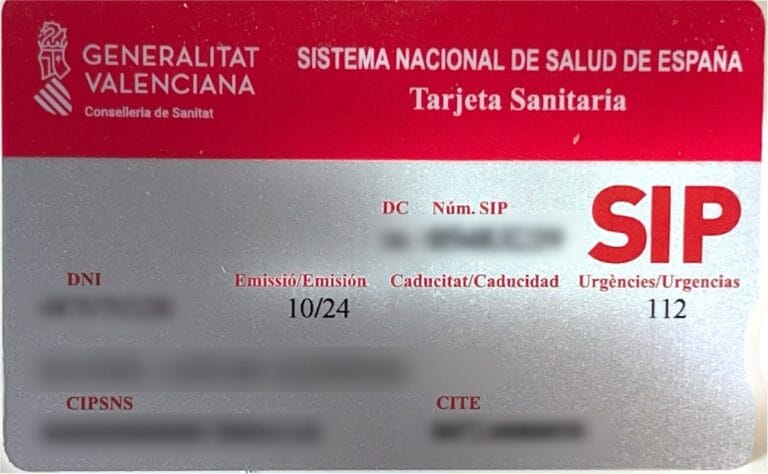
Getting Your Tarjeta Sanitaria in Spain 2026: How to Register with the Public Health System
Getting a Spanish health card is far simpler than the internet suggests: three documents, about five minutes at the desk, and the…
-

Selling Property in Spain as a Non-Resident 2026: The 3% Retention, Capital Gains, and How to Claim Your Refund
The 3% withheld when a non-resident sells Spanish property is not a tax — it is a deposit against one. This 2026…
How this site works
Written by Daniel Aznar, a Spanish engineer based in Valencia, as an independent research project. He is not a lawyer, a tax adviser, or an immigration consultant, and this site never pretends otherwise. Nothing here is professional advice: rules change, they vary considerably by autonomous community, and they depend on your circumstances. Use these guides to understand the landscape and to ask your asesor fiscal or lawyer better questions.
Every guide cites its source at the Agencia Tributaria, the Boletín Oficial del Estado, or the relevant ministry wherever it states a rate, a deadline, or a legal requirement, so you can verify it yourself. Figures are checked against the current published text of the law rather than copied from other websites. Where a rule varies by region, the guide says so instead of giving one national figure that would mislead most readers.
The site is funded by advertising, which keeps it free to read. It does not accept payment for coverage or recommend lawyers, banks, insurers or estate agents in exchange for commission. Found an error? Tell us and it gets fixed.