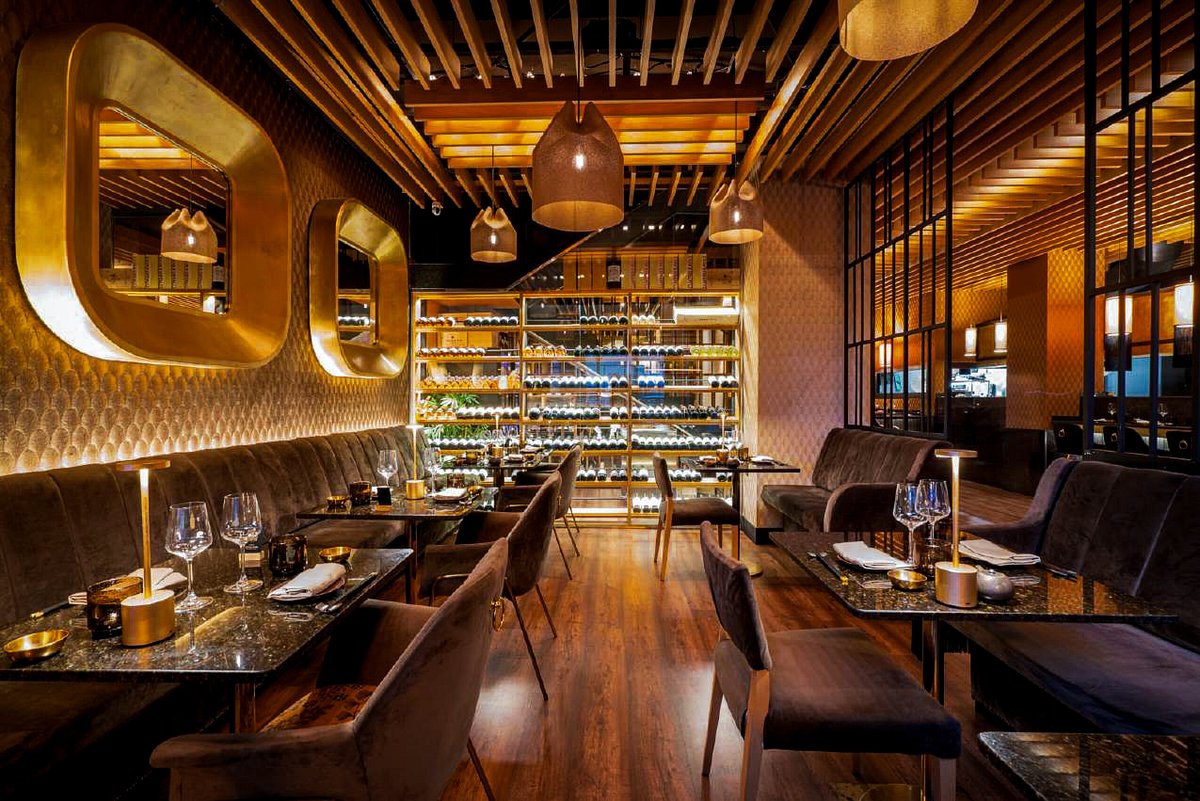
You have read about Spain’s culinary reputation for years. Now you are moving here, or visiting frequently, and you want to experience it properly: the Michelin-starred tasting menus, the centuries-old wine cellars, the unhurried, multi-hour dinners that define Spanish dining culture. The problem is that Spanish gastronomy operates by different rules than you may be used to. Reservation windows open and close months in advance. Dinner does not start until 9 or 10 PM. Tipping customs differ entirely from the US. And the wine regions, far from being simple tourist attractions, follow their own etiquette of access and appreciation. This guide explains how to navigate Spain’s fine dining and wine culture as a foreign gourmet in 2026, from securing a table at the country’s most coveted restaurants to touring its most exclusive private wineries.
Spain’s Culinary Landscape in 2026: A Golden Era
Spain’s fine dining scene has never been stronger. The 2026 Michelin Guide for Spain and Andorra includes 307 starred restaurants: 16 with three stars, 37 with two stars, and 254 with one star. This represents 30 new additions to the guide in a single year, reflecting the extraordinary depth and continued evolution of Spanish gastronomy.
Madrid alone hosts 35 Michelin-starred restaurants, Catalonia (including Barcelona) has 62, and Andalusia has 30. Even smaller regions punch well above their weight: the Basque Country has 26 starred restaurants, including the legendary establishments of San Sebastián, often considered Spain’s true culinary capital relative to its size.
This depth means foreign gourmets are not limited to one or two famous names. Whether your base is Madrid, Barcelona, Valencia, Marbella, or the Basque Country, exceptional fine dining is genuinely accessible, provided you understand how to navigate it.
Reservations: The Single Most Important Skill
The most common mistake foreign diners make is assuming Spanish fine dining works like reservations in their home country: book a few days ahead, show up, enjoy your meal. At Spain’s elite restaurants, this approach fails entirely.
Two- and three-star restaurants typically open reservations 30 to 90 days in advance, and tables fill within hours, sometimes minutes, particularly during spring and autumn high season. If you are planning a trip to Spain centered around dining at a specific three-star restaurant, you must identify the restaurant’s reservation release date and be ready to book the moment the window opens.
One-star restaurants are generally more flexible but still benefit enormously from booking several weeks ahead. Walk-in availability exists but should not be relied upon for restaurants you specifically want to experience.
Ultra-exclusive venues push scarcity even further. Some of Madrid’s most sought-after tables, such as speakeasy-style concepts hidden within larger restaurants, seat as few as six to ten diners total, making them effectively impossible to book without weeks of advance planning or a direct relationship with the restaurant.
Practical booking strategy:
- Identify your target restaurants at least two to three months before your visit.
- Check each restaurant’s website for its specific reservation release schedule; many open bookings exactly 30, 60, or 90 days ahead at a set time.
- Set calendar reminders for the exact release moment; popular tables vanish within minutes.
- Have backup dates and backup restaurants ready, particularly for three-star establishments.
- For groups, confirm headcount before booking; many tasting-menu restaurants require the entire table to order the same menu.
- Always inquire about cancellation policies, deposits, and dress codes when booking. Many high-end restaurants now require a credit card deposit or prepayment, particularly for tasting menus, with strict cancellation windows (typically 24–48 hours).
- If you have dietary restrictions (vegetarian, vegan, gluten-free, allergies), notify the restaurant when booking, not upon arrival. Many tasting menus are prepared in advance and cannot easily accommodate last-minute changes.
Understanding the Spanish Dining Schedule
Spanish dining hours surprise most foreign visitors. Lunch typically runs from 1:30 to 3:30 PM, and dinner rarely begins before 8:30 PM, with many fine dining restaurants not seating their first dinner service until 9 PM. In Madrid and the south, 10 PM dinner reservations are entirely normal at high-end establishments.
Do not arrive early expecting flexibility. Tables are scheduled precisely, particularly for tasting-menu restaurants where the kitchen coordinates a multi-hour, multi-course experience for the entire dining room simultaneously. Arriving 20 minutes late can result in a shortened experience or, in extreme cases, forfeiture of your reservation.
A full tasting menu experience at a two- or three-star restaurant typically takes three to four hours. Plan your evening accordingly; this is not a meal you rush before another engagement.
Etiquette: What Foreign Diners Get Wrong
Tipping. Unlike the US, tipping in Spain is not expected at the same level. A service charge is sometimes included; if not, rounding up or leaving 5–10% for exceptional service is generous and appropriate. Aggressive American-style tipping (20%+) is unnecessary and can even seem unfamiliar with local custom.
Dress code. Most Michelin-starred restaurants expect smart elegant attire: jackets for men are common (though not always mandatory), and overly casual wear (shorts, flip-flops, sportswear) is inappropriate. When booking, ask specifically about dress code expectations; some three-star establishments have explicit requirements.
Pacing. Spanish fine dining is unhurried by design. Do not expect or request a rushed pace. Conversation, pauses between courses, and a generally relaxed tempo are part of the experience. If you have time constraints, communicate them when booking rather than rushing the staff during service.
Wine ordering. Sommeliers in Spain’s top restaurants are highly trained and take pride in tailoring pairings to individual preferences, not just the menu. Engage them; describe what you enjoy rather than simply ordering the most expensive option or deferring entirely. The best sommeliers reinterpret wine selections around how each guest experiences flavour, not merely technical pairing rules.
Photography. Many high-end restaurants permit discreet photography of dishes but discourage flash, extensive setup, or disruptive picture-taking that affects other diners’ experience. When in doubt, ask your server.
Punctuality for cancellations. If you must cancel, do so within the restaurant’s stated window. Many top establishments now charge full menu price for no-shows or late cancellations, given the resources committed to your table.
Where to Eat: A Regional Overview
Madrid offers the broadest range, from DiverXO (the capital’s only three-star, blending international and Spanish flavors in an avant-garde 15-course menu) to intimate omakase counters seating just six to twelve diners. The Mandarin Oriental Ritz houses Deessa, a two-star restaurant exemplifying the harmony between haute cuisine and luxury accommodation.
Barcelona holds 29 Michelin-starred restaurants across 42 stars, including four three-star establishments. The city’s culinary identity emphasizes proximity and tradition: km-zero seafood, produce, and rice sourced locally, with recipes rooted in generations of Catalan and Mediterranean tradition.
The Basque Country (Bilbao and San Sebastián) remains a culinary pilgrimage site. Restaurants like Arzak (run by the legendary Arzak family since the 1960s) and Akelarre showcase New Basque Cuisine’s signature precision and creativity, often blending centuries of family tradition with constant culinary innovation.
Andalusia has grown significantly, now home to 30 Michelin-starred restaurants. Noor in Córdoba, led by chef Paco Morales, reimagines medieval Moorish culinary traditions for a modern audience, offering a uniquely Andalusian fine dining experience unavailable elsewhere.
Wine Culture: Beyond the Restaurant Table
Spain’s wine regions offer foreign gourmets an entirely different but complementary experience to restaurant dining: direct engagement with winemakers, centuries-old cellars, and landscapes that explain why Spanish wine commands global respect.
Rioja: Spain’s Most Iconic Wine Region
Rioja remains Spain’s oldest and most internationally recognized Denominación de Origen. The region offers experiences ranging from architecturally significant modern wineries (such as the striking Ysios winery) to centuries-old family operations still practicing traditional methods, including a small number of wineries that continue the historic practice of treading grapes by foot.
Premium private tours typically include visits to three wineries with tastings at each, often paired with a traditional lunch in towns like Laguardia, followed by exploration of Logroño’s famous Calle Laurel tapas district. Full-day private tours with an expert guide generally run €250 per person for smaller groups, while multi-day luxury packages combining Rioja and Ribera del Duero, including five-star accommodation such as the architecturally iconic Marqués de Riscal hotel, range from £3,500–£4,100 per person for four-night experiences.
Ribera del Duero: Bold, Modern, and Historic
Ribera del Duero, situated along the Duero River across Burgos, Segovia, Valladolid, and Soria provinces, has built its reputation on powerful Tempranillo-based wines. The region blends ancient underground cellars (some family operations still age wine in cellars excavated in the 16th century) with strikingly modern architectural wineries.
Private luxury tours commonly combine 4×4 vineyard exploration with tastings of the region’s most exclusive wines, often paired with traditional Castilian roast lamb, a regional specialty. Many tours include stops in historic towns like Peñafiel, home to a castle now converted into a wine museum, or Aranda del Duero, whose old town sits atop kilometres of historic underground cellars.
Jerez and Sherry: The Overlooked Treasure
Jerez de la Frontera, in addition to its equestrian heritage, remains the global centre of Sherry production. Private tours here explore the unique solera ageing system, historic bodegas, and cathedral-like cellars, often paired with Andalusian gastronomy and flamenco heritage for a fuller cultural immersion.
Priorat, Penedès, and Beyond
Beyond Rioja and Ribera del Duero, serious wine enthusiasts increasingly explore Priorat (intense, mineral-driven reds from steep slate terraces), Penedès (Catalonia’s cava heartland), Rueda (crisp whites), and Toro (powerful, old-vine reds). Private tour operators increasingly design multi-region itineraries connecting these areas with Michelin dining experiences, chauffeured transport, and luxury accommodation, transforming wine tourism into a comprehensive culinary journey rather than a simple vineyard visit.
How to Access Private and Exclusive Wineries
Many of Spain’s most distinguished wineries do not operate as casual walk-in destinations. Access typically requires advance booking through specialized wine tourism operators who maintain direct relationships with winemakers. The most rewarding experiences often involve small, family-run estates where the winemaker personally guides the tour, shares production techniques, and pours wines not available for retail purchase.
For foreign gourmets seeking the most exclusive access:
- Book through established wine tourism specialists rather than attempting direct contact with smaller, family-run wineries, many of which do not have dedicated visitor infrastructure.
- Request private (rather than group) tours for a more personal experience and direct interaction with winemakers.
- Combine wine regions strategically: Rioja and Ribera del Duero are roughly two hours apart and frequently combined into a single multi-day itinerary from Madrid.
- Consider staying at a winery hotel (such as the architecturally celebrated Marqués de Riscal or Abadía Retuerta, the latter housing its own Michelin-starred restaurant) for full immersion rather than day-tripping.
- Budget accordingly: private, guided, multi-winery experiences with quality lunches typically range from €150–€350 per person for single-day tours, scaling upward significantly for multi-day luxury itineraries with five-star accommodation.
The Bottom Line
Spain’s fine dining and wine culture reward preparation and patience over spontaneity. The country’s culinary excellence is not a secret; it is internationally documented and increasingly competitive to access. Foreign gourmets who plan reservations months ahead, understand the relaxed pacing and etiquette of Spanish dining, and approach wine country through knowledgeable private guides rather than improvised visits will discover an extraordinarily rich culinary and wine culture that fully justifies Spain’s growing reputation as one of the world’s premier gastronomic destinations.
This article is for general informational purposes only and does not constitute travel, legal, or financial advice. Restaurant availability, pricing, reservation policies, and winery access change frequently. Always confirm current details directly with restaurants and tour operators before finalizing plans.
Leave a Reply