Moving to Spain in 2026 means navigating a handful of interlocking decisions: which visa fits your situation, how Spanish tax residency will affect your finances, what healthcare and schooling look like day to day, and where in the country actually matches your budget and lifestyle. None of these decisions sit in isolation. Your visa choice affects your tax treatment, your tax residency affects your healthcare access, and your region affects almost everything else. This page is the map: it walks through the whole sequence in the order it actually happens, and links to our detailed guide on each piece.
Step 1: Choose Your Legal Pathway
Spain closed its real estate Golden Visa in April 2025, so the first question for most newcomers is which of the remaining routes actually fits their situation. Retirees and people living off passive income or savings typically use the Non-Lucrative Visa. Remote workers and freelancers with predominantly non-Spanish clients use the Digital Nomad Visa, which also carries a favourable flat-tax option. Founders building a Spain-based company go through the Entrepreneur Visa instead, which requires a business plan approved by ENISA rather than a simple income test. Get this choice right first: almost everything below depends on it.
- Golden Visa alternatives: the three residency routes that remain
- Entrepreneur Visa vs. Digital Nomad Visa: which one fits your business
- Digital nomad taxes and the Beckham Law flat-rate regime
- The health insurance requirements that decide your visa application
- The Non-Lucrative Visa: requirements, costs, and the tax trap inside it
Step 2: Get Your NIE, TIE, and Padrón in the Right Order
Almost every foreigner trips over the same three words in their first weeks in Spain, and the order matters more than most people realise. Your NIE is a tax identification number, your TIE is a physical residency card, and your empadronamiento is your registration with the local town hall. Taking them out of sequence can stall your bank account, your residency card, your healthcare, and even your children’s school enrolment.
- NIE, TIE, and empadronamiento: the three documents every foreigner needs
- Certificado digital and Cl@ve: the two digital identities you will need for everything else
Step 3: Understand Spanish Tax Residency Before You Arrive
Spending more than 183 days a year in Spain, or having your main economic interests here, generally makes you a Spanish tax resident, taxed on worldwide income and assets rather than only on Spanish-source income. This single fact drives most of the financial planning that should happen before you move, not after. It determines which country taxes your pension, your dividends, and your capital gains, and it brings you within scope of taxes that may not exist where you come from.
- IRPF for foreign residents: tax brackets, deductions, and how the renta works
- The US-Spain and UK-Spain double taxation treaties, and how to avoid being taxed twice
- Spain’s Wealth Tax and Solidarity Tax, and how much they vary by region
- Cryptocurrency, staking, DeFi, and NFT taxation in Spain
- Modelo 720 and Modelo 721: declaring the assets and crypto you hold abroad
Step 4: If You Will Be Working for Yourself
Self-employment in Spain forces an early structural decision with very different costs, timelines, and paperwork on each side: register as an autónomo sole trader, or set up a Sociedad Limitada. And if you already run a company abroad, particularly a US LLC, be careful with the advice you find on nomad forums; Spain does not necessarily treat that structure the way your home country does.
- Autónomo or Sociedad Limitada: how to choose, and how to register each one
- Can you live in Spain with a US LLC? The tax myths and the realities
Step 5: If You Are Retiring Here
Retirement moves have their own set of questions, and the biggest one is usually whether the years you paid into a foreign social security system still count. For most people who have worked across several countries they do, through a mechanism called totalization, but you have to know how to claim it. Alongside that sits the wider question of how to hold and draw down international wealth once Spain taxes you on your worldwide position.
- Retiring in Spain: transferring and protecting international wealth and pensions
- Pensions when you have contributed in several countries: how totalization works
Step 6: Sort Out Healthcare
Spain’s public healthcare system is genuinely excellent, but access to it is not automatic and does not work the way most newcomers assume. Since 2018 it has been tied to residence rather than to contributions, though a significant exception leaves many foreign residents outside it in their early years. Which route applies to you depends entirely on your legal and employment situation, and getting it wrong can leave you uncovered at exactly the wrong moment.
- Public healthcare vs. private insurance, and how the convenio especial works
- Transferring your prescriptions and accessing medications in Spanish pharmacies
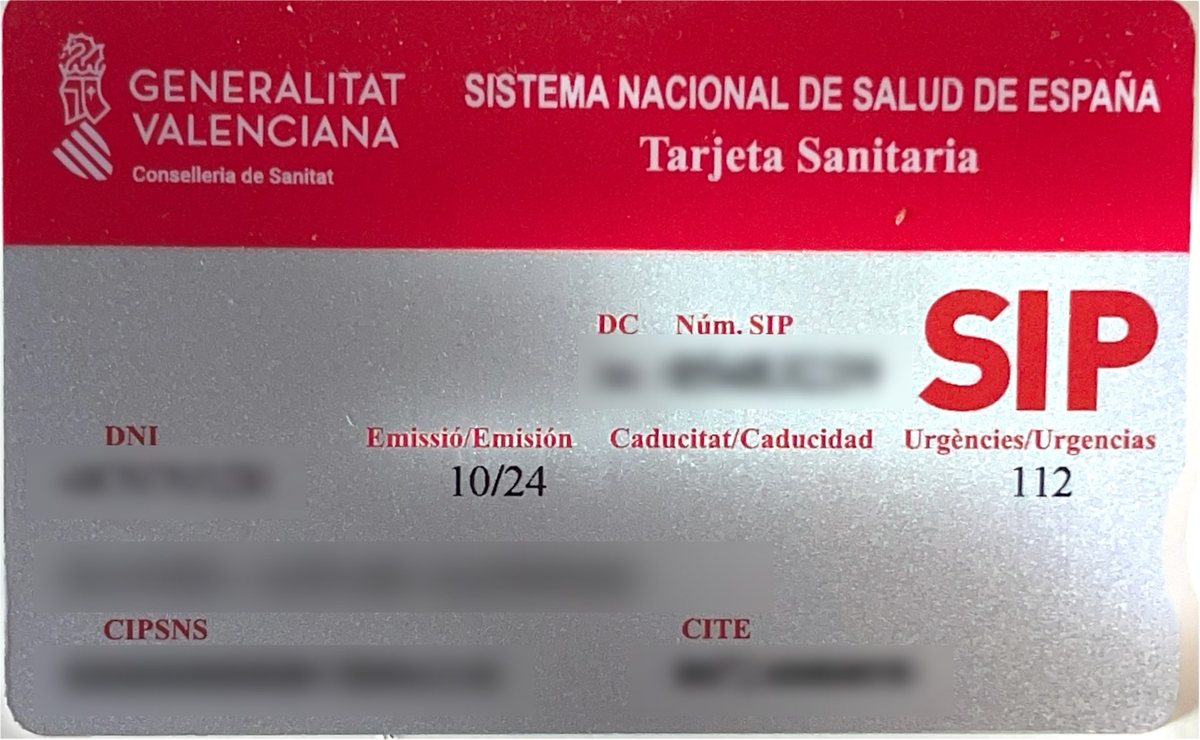
- Getting your tarjeta sanitaria and registering with the public health system
- The S1 form: healthcare for UK and EU pensioners, and who pays for it
- Emergency and urgent care: 112, urgencias, and what it costs
Step 7: Decide Where to Live
Cost of living, property prices, and daily life vary enormously across Spain, and the right region for a retiree on a fixed income looks nothing like the right region for a family with school-age children. It is worth comparing the real annual cost of each city rather than the rent-and-coffee figures that circulate online, and, if you are moving with children, choosing the school before the neighbourhood rather than the other way around.
- The real cost of living in Spain: Madrid, Barcelona, Valencia, and Málaga compared
- Buying property in Málaga vs. Valencia: a pros and cons guide
- International schools and family neighbourhoods in Barcelona
Step 8: Rent or Buy a Home
Renting is usually a newcomer’s first major transaction here, and it arrives before you have a Spanish salary, a local guarantor, or a full grasp of the language, which is exactly why scams target new arrivals. If you go on to buy, budget realistically: the advertised price is never the price you pay, and the recurring taxes of owning a Spanish property continue every year whether you live in it, rent it out, or leave it empty.
- Renting a home as a foreigner: contracts, deposits, and common scams
- Property purchase taxes: ITP, IVA, AJD, and notary costs explained
- The annual taxes of owning property: IBI, plusvalía municipal, and IRNR
- IBI in detail: how your rate is set, how to look it up, and what it really costs
- Buying beachfront property and what the Ley de Costas really restricts
- Buying off-plan: bank guarantees, legal deadlines, and buyer protection
- The purchase process step by step: nota simple, arras, and the notary
- Selling as a non-resident: the 3% retention and how to claim your refund
Step 9: Plan for What You Pass On
The moment you buy a home, open an account, or hold Spanish assets, you also create an inheritance question, and Spanish succession law operates on premises that are entirely foreign to most newcomers. Forced heirship restricts who you can leave your estate to, and helping family financially during your lifetime is a formal taxable event rather than a simple bank transfer. Both are far cheaper to plan for than to fix afterwards.
- Estate planning and wills: forced heirship, Brussels IV, and inheritance tax
- Spain’s gift tax: transferring money or property to your children
Step 10: Handle the Practical Logistics
Once the big decisions are made, the move itself comes with its own checklist. Your foreign driving licence quietly stops being valid somewhere between six and twelve months after you arrive, and whether you can simply exchange it depends on whether your country has an agreement with Spain. A vehicle must be insured from the moment it is registered, even sitting unused in a garage. And pets, vehicles, and personal belongings are each governed by completely different sets of rules.
- Exchanging your foreign driving licence: countries with an agreement and the full process
- Compulsory car insurance: how it works, what it costs, and the penalties
- Moving art, vehicles, and pets to Spain
- Banking in Spain: opening an account, moving money, and what your passport changes
A Word on How to Use This Site
Every guide linked above cites official Spanish sources, the Agencia Tributaria, the Boletín Oficial del Estado, the DGT, the INSS, or the relevant ministry, wherever it states a specific tax rate, deadline, or legal requirement, so you can verify the details yourself rather than taking our word for them. As explained on our About Us page, this site is independent research, not professional advice. Rules change, and they vary by autonomous community and by individual circumstances, so always confirm your specific situation with a licensed lawyer, asesor fiscal, or immigration adviser before making decisions.